Why Bowl Delivery Is Growing in Popularity Across the US
Something significant has been happening in the American food delivery landscape over the past five years, and it is increasingly visible in cities like Boston. The bowl — a deceptively simple format that combines a grain or green base with protein, vegetables, and a dressing — has risen from a niche health food category into one of the fastest-growing segments of the entire food delivery market. Search volume for terms like "bowl delivery near me" and "order bowls online" has grown consistently year over year. Restaurant concepts built entirely around the bowl format have expanded from major coastal cities into mid-size markets across the country. And delivery platforms have responded by creating dedicated bowl categories, curation features, and algorithmic promotion for bowl-format restaurants.
This growth is not accidental. It reflects a confluence of cultural shifts, changing nutritional awareness, technological enabling factors, and the practical advantages of the bowl format itself over competing alternatives. Understanding why bowl delivery is growing is useful for anyone seeking to navigate the category intelligently — and for understanding where the broader food delivery market is headed.
The Seven Driving Forces Behind Bowl Delivery Growth
1️⃣ The Wellness-First Consumer Shift
Perhaps the most fundamental driver of bowl delivery growth is a generational shift in how a large and growing segment of American consumers think about food. Millennials and Gen Z consumers — who together represent the largest demographic block of food delivery users — are significantly more likely than previous generations to cite health and nutritional quality as primary factors in food purchase decisions. This is not merely aspirational; it manifests in measurable behaviors: higher spending on organic and natural products, greater engagement with nutritional content labeling, and a willingness to pay a premium for meals that align with wellness goals. The bowl format, with its transparent ingredient composition and inherent nutritional structure, is ideally positioned to serve this consumer preference in a way that few other delivery formats can match.
2️⃣ The Transparency Advantage
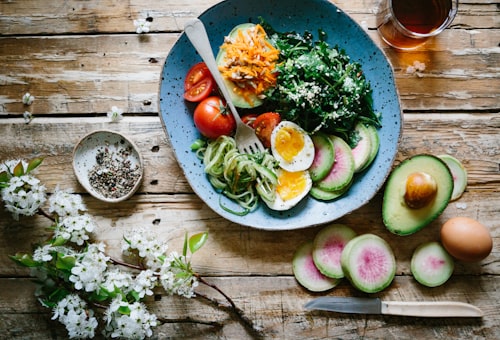
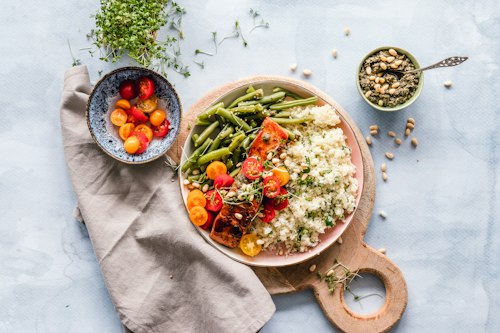
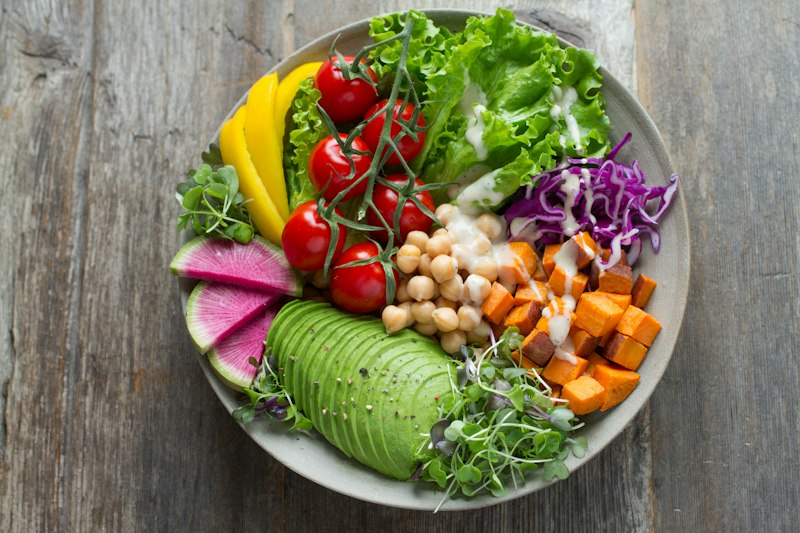
Modern consumers — particularly health-conscious delivery users in cities like Boston — increasingly demand transparency about what they're eating. They want to know the ingredients, the sourcing, the preparation method, and ideally the nutritional profile of their meal. The bowl format enables this transparency in a uniquely accessible way. Each component is clearly identifiable: you can see the grain base, the protein, the individual vegetable components, and the dressing. There are no hidden sauces, no mysterious compositions, no ambiguous processing. This visual and compositional clarity represents a meaningful departure from the opacity of traditional takeout formats — a burger's ingredient list is a narrative abstraction; a bowl's ingredient list is literally visible in front of you. In an era of heightened consumer nutrition awareness, this transparency is a genuine competitive advantage.
3️⃣ The Customization Economy
Contemporary food culture has been profoundly shaped by the "have it your way" principle that Chipotle pioneered at scale in the early 2000s. Consumers have come to expect — and increasingly require — the ability to customize their meals to match their specific preferences, dietary restrictions, and nutritional goals. The bowl format is structurally perfect for this expectation. Unlike a sandwich, a pizza, or a plate of pasta — where fundamental changes to composition require reconstructing the dish — a bowl is designed as a modular assembly of interchangeable components. Swapping the grain base, substituting the protein, adding or removing toppings, adjusting the dressing — all of these modifications are simple, natural, and supported by the format's inherent architecture. This modularity is not merely a consumer preference feature; it represents a meaningful operational advantage for restaurants, enabling menu variety without supply chain complexity.
4️⃣ Delivery Logistics Compatibility
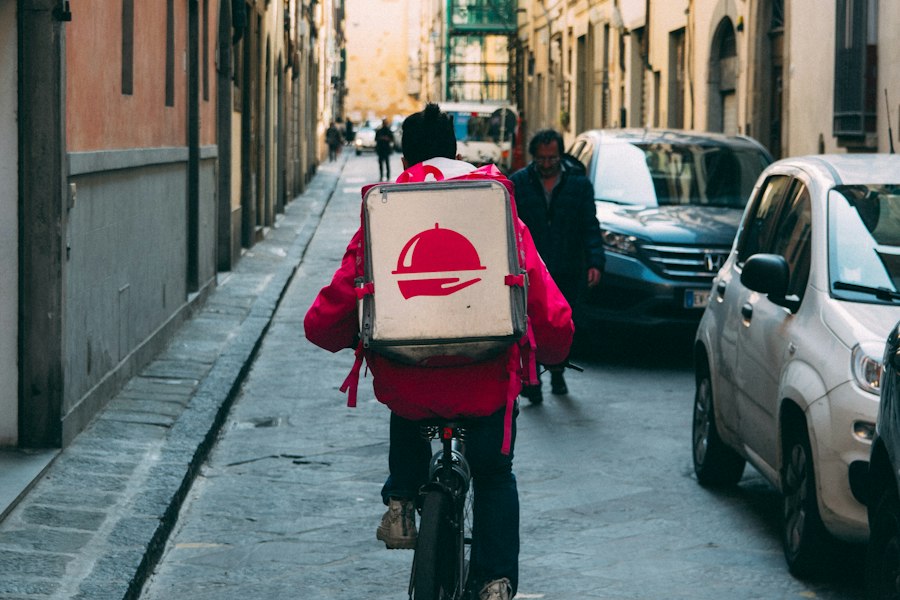
Not all food formats are created equal in the context of delivery logistics. Pizza holds its heat reasonably well in an insulated bag over a 30-minute delivery window. Sushi does not. French fries become limp and cold within minutes of packaging. Delicate pasta dishes absorb their sauce and lose texture during transit. Bowls, by contrast, are exceptionally delivery-compatible. Grain bases are thermally stable and maintain their texture well during transport. Roasted vegetables hold their structure. Proteins wrapped in packaging maintain temperature. And critically, dressings packaged on the side — a practice that has become standard for quality bowl delivery — eliminate the sogginess problem that undermines salad delivery. The result is a format whose delivered quality closely approximates its eat-in quality — a rare and significant advantage in the delivery context.
5️⃣ Global Culinary Influence
The bowl format's rise also reflects the ongoing globalization of American food culture. Culinary traditions from Japan (donburi, poke), Korea (bibimbap), Hawaii (poke bowls), the Middle East (grain salads with tahini), and the broader Mediterranean region all feature bowl-format preparations as central elements. As these cuisines have become more accessible and familiar to American consumers through immigration, travel, social media, and the growing diversity of urban food markets, the bowl has become a culturally resonant format that carries associations with health, quality, and global sophistication. In a city like Boston — with its diverse, educated, internationally oriented population — this cultural dimension of the bowl's appeal is particularly relevant.
6️⃣ Platform Curation and Algorithmic Amplification
The growth of bowl delivery has been meaningfully accelerated by the way major delivery platforms have chosen to organize and promote their restaurant catalogs. As platforms have invested in editorial curation, health-focused content, and algorithmic personalization, bowl-format restaurants have consistently benefited from prominent placement, category features, and recommendation algorithms that surface health-oriented options to users who have shown interest in nutritious eating. This platform-side amplification creates a self-reinforcing cycle: higher visibility generates more orders, which generates more reviews and ratings, which generates even higher visibility. The bowl category has been one of the primary beneficiaries of this dynamic across major US food delivery platforms.
7️⃣ The Rise of Dietary Diversity
A significant factor in bowl delivery's growth is its exceptional accommodation of diverse dietary needs within a single format. A restaurant that specializes in bowls can simultaneously serve a vegan customer, a keto customer, a high-protein customer, a gluten-free customer, and a general wellness customer — all with the same menu architecture, simply by offering different base, protein, and topping combinations. This dietary inclusivity is increasingly commercially important in a culture where special dietary needs and preferences are no longer niche considerations but mainstream market realities. Entire friend groups or office teams can order from the same bowl restaurant without anyone being excluded or underserved — a social and commercial advantage that few other food formats can claim.
What This Means for Bowl Delivery in Boston
Boston is particularly well-positioned to exemplify and accelerate these trends. As a city with a highly educated, health-conscious, and internationally diverse population — concentrated in neighborhoods that support dense food delivery logistics — Boston has all the demographic and geographic conditions for continued bowl delivery market growth.
The practical implication for Boston residents is that the bowl delivery landscape will continue to expand in terms of variety, quality, and accessibility. New restaurant concepts will enter the market. Existing restaurants will add or expand their bowl offerings. Delivery platforms will continue to improve their bowl-specific curation and filtering tools. And the overall experience of finding and ordering a great bowl in Boston will continue to become easier, faster, and more reliable.
For those who haven't yet explored the category seriously, now is an excellent time to begin. The foundational guides on this site — covering healthy bowls, protein bowls, vegan options, and quick lunch bowls — provide the framework needed to navigate this expanding landscape with confidence. And the selection guide offers a structured path to identifying which bowl category best fits your specific goals and lifestyle.
Bowl delivery growth is not a fad — it reflects lasting shifts in consumer values, nutritional awareness, and the practical realities of modern urban life. Understanding these drivers helps you engage with the category as a sustained lifestyle choice rather than a passing trend.